
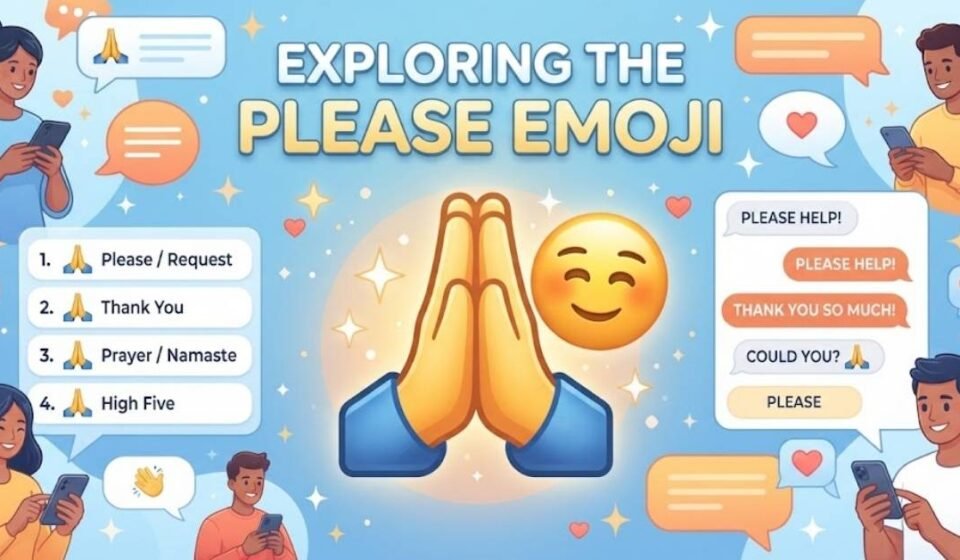

Short answer first: there’s no single official please emoji. Instead, people combine a handful of small icons like 🥺🙏 to say “please” without typing the word. It’s become one of the most natural ways to ask for something nicely in a text, a comment, or a caption.
If you’ve ever seen someone drop 🥺🙏 under a friend’s post and wondered what it actually means, you’re not alone. This whole style of asking politely through emojis has quietly taken over group chats, Instagram comments, and TikTok replies. Let’s break down exactly what’s going on.
What do please emoji mean?
The please emoji meaning isn’t tied to one single symbol. It’s more of a small language built from a few expressive faces and icons that, together, carry the tone of a polite ask.
Think about how you’d actually ask a friend for a favor in person. You might tilt your head a little, smile, maybe clasp your hands together. That’s basically what this emoji combination does in text form.
Each of these icons brings its own flavor to the request. Some lean sweet, some lean respectful, and some just add warmth. Here’s a full breakdown of the please emoji family and what each one is really saying.
🥺 Pleading Face
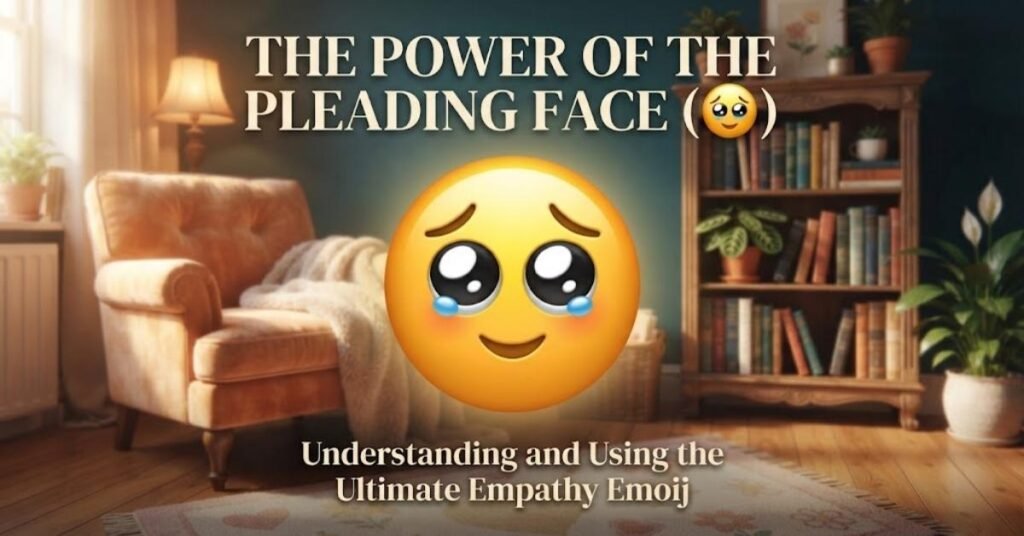
This is the heart of the please emoji meaning in chat. The pleading face emoji shows big, glossy eyes and a slightly trembling mouth, and it screams “pretty please” without a single word typed.
People use 🥺 when they want to seem a little shy, a little hopeful, and completely sincere. It works for asking a favor, showing affection, or even reacting to something adorable.
A quick example: your friend posts a photo and you comment “🥺 you’re so cute stop.” That’s not sadness. That’s warmth mixed with a soft, gentle emotion.
🙏 Folded Hands
The folded hands emoji is probably the most recognized symbol for asking kindly. In many cultures it represents prayer, but online it’s stretched to mean please, thank you, and even a respectful apology.
You’ll see 🙏 used after someone asks for help (“can you send that file 🙏”) or right after receiving one (“got it, thank you 🙏”). It’s flexible, and that’s exactly why it’s everywhere.
It also carries a bit of gratitude built in. So when it’s paired with other icons, it usually softens the whole message and makes the request feel polite instead of demanding.
😊 Smiling Face
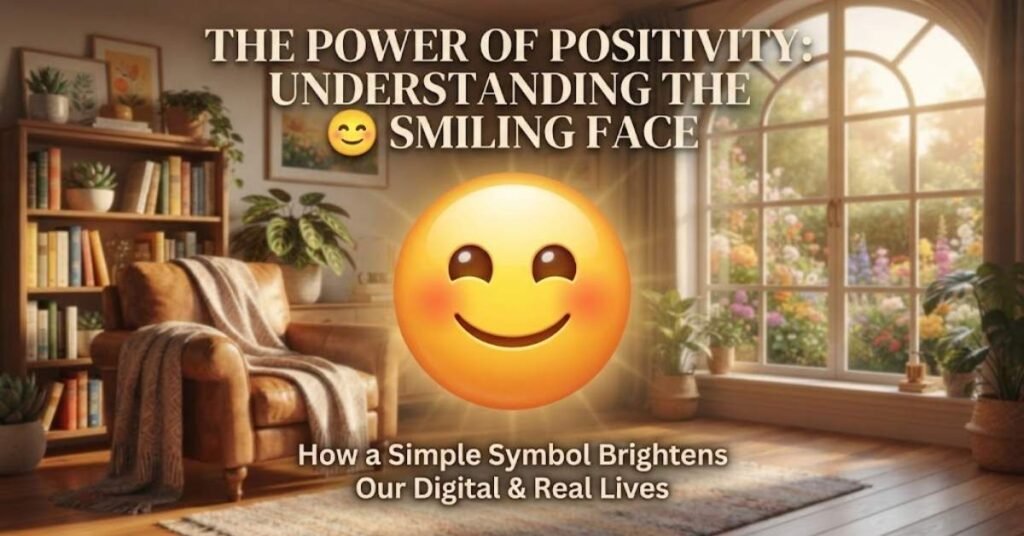
The smiling face emoji adds plain friendliness to any message. It doesn’t beg, it doesn’t plead, it just keeps things light and warm.
You’ll often see 😊 used in everyday chats where someone wants to sound approachable. “Could you help me with this 😊” reads completely differently than the same line without it.
It’s simple, but that’s the point. Sometimes a request just needs a touch of kindness, not a full emotional performance.
💖 Sparkling Heart
The sparkling heart emoji shows affection with a bit of extra sparkle, literally. It’s warmer than a plain heart and often shows up in messages of appreciation.
People drop 💖 when thanking someone for a favor or complimenting something they genuinely love. “Thank you so much 💖” hits differently than a plain thank you.
It pairs well with pleading or folded hands emojis because it adds that extra bit of caring message energy without going overboard.
🤍 White Heart
The white heart emoji leans toward sincerity and calm support. Unlike red or pink hearts, white carries a softer, more peaceful tone.
You’ll notice 🤍 in messages meant to comfort someone, or in requests that feel genuine rather than flashy. It’s a favorite for emotional support texts between close friends.
It’s also popular in aesthetic captions where the vibe is minimal and clean, which fits its quiet, gentle personality.
✨ Sparkles
The sparkles emoji adds a burst of positivity to almost anything. On its own it doesn’t mean please, but paired with pleading or heart emojis, it upgrades the whole message.
People use ✨ to highlight special moments or to make a simple request feel a little more exciting. “Can you send the pics ✨🥺” feels playful instead of pushy.
It’s the emoji equivalent of adding a little sparkle to your voice when you ask for something.
🌸 Cherry Blossom
The cherry blossom emoji brings a soft, seasonal kind of beauty to a message. It’s tied to spring, freshness, and new beginnings in a lot of cultures.
You’ll see 🌸 used in gentle, aesthetic captions or paired with pleading faces to soften a request even further. It doesn’t shout, it just adds a quiet, pretty touch.
It’s especially popular in cute or delicate messages where the tone needs to stay soft from start to finish.
🫶 Heart Hands
The heart hands emoji has exploded in popularity, and for good reason. It physically shows two hands forming a heart, which makes it perfect for heartfelt thanks and sending love.
People use 🫶 to close out a message of support, especially after someone helps them out or shows up for them. It feels personal in a way that text alone can’t always match.
It also works beautifully in combos, especially with folded hands or white hearts, to build a message that feels complete.
💕 Two Hearts
The two hearts emoji signals a caring relationship or a warm connection between two people. It’s softer than a single heart and often used between close friends or partners.
You’ll spot 💕 in messages that carry both affection and a light request, like “can we hang out this weekend 💕.” It keeps things sweet without feeling overly serious.
It’s a small detail, but it changes the emotional weight of a sentence more than people realize.
😇 Smiling Face with Halo
The smiling face with halo emoji plays into innocence and good intentions. It’s often used jokingly, like someone is pretending to be extra sweet or extra innocent while asking for something.
People drop 😇 after a slightly cheeky request, almost like saying “I promise I’m not asking for too much.” It adds humor along with kindness.
It works especially well when the request is a bit of a stretch and the sender wants to keep it light.
How to use please emoji the right way
Knowing the please emoji meaning is one thing. Using it well is another. The right emoji usage depends heavily on the platform, the person you’re talking to, and the tone you’re going for.
There’s a rhythm to this. Too many emojis and the message feels cluttered. Too few and it can come across flat or even a bit cold. Here’s how it plays out across the platforms where this style thrives.
WhatsApp conversations tend to be more personal, since you’re usually texting friends, family, or close coworkers. A simple 🙏 or 🥺🙏 combo works well when asking for a favor in a group chat.
Because WhatsApp messages are often quick and casual, you don’t need a big combo here. One or two emojis at the end of a sentence usually does the job just fine.
For example, “can someone send the address again 🙏” feels polite without sounding formal or stiff.
Instagram is where these combos really shine, especially in Instagram captions and comments. People use bigger emoji combinations here because the platform is more visual and expressive by nature.
Under a friend’s photo, something like “🥺💖 you look amazing” fits right in. In Instagram stories, a poll caption asking followers to vote might end with “🥺🙏 pretty please.”
The key with Instagram emojis is matching the energy of the post. Aesthetic posts usually pair with softer icons like 🤍 or 🌸, while excited posts lean toward ✨ or 💕.
TikTok
TikTok comments move fast, and so does the emoji culture there. You’ll often see quick, punchy combos like 🥺🙏 or 🫶🤍 used to react to a video or ask a creator for something, like a shoutout or a follow back.
Because TikTok thrives on trends, emoji combos here shift a bit faster than on other platforms. What’s popular one month might feel slightly dated the next.
Still, the core combos built around 🥺 and 🙏 have stayed consistent, which says a lot about how well they capture a genuine, polite ask.
Do’s
Keep these emoji rules in mind when you want your message to land the right way.
- Match the emoji tone to the actual tone of your message
- Keep combos to two or three emojis for most everyday chats
- Use 🙏 when the message is a genuine thank you or respectful ask
- Let the platform guide how expressive you get
Don’ts
A few things to avoid so your message doesn’t come across the wrong way.
- Don’t overload a single sentence with five or six emojis
- Don’t use 🥺 in serious or professional conversations
- Don’t mix combos that clash in tone, like 😇 with something overly dramatic
- Don’t forget that context still matters more than the emoji itself
Best please emoji combos: copy & paste
Sometimes you just want the combo without overthinking it. Here are some ready to use please emoji combos organized by the kind of message you’re sending.
These work as copy and paste emoji combos, so feel free to grab whichever fits your situation and drop it straight into your chat or caption.
Polite Requests
Perfect for when you’re asking someone for a favor or a small ask.
- 🥺🙏
- 🥺🤍
- 🥺✨
Appreciation
Great for thank you messages and moments of genuine gratitude.
- 🙏💖
- 🫶🤍
- 😊💕
Cute Messages
Ideal for sweet, soft texts between close friends.
- 🥺💖
- 🌸🥺
- 💕✨
Support
Use these when someone needs comfort or encouragement.
- 🫶🙏
- 🤍😊
- 💖🌸
Everyday Chats
Simple, casual combos that fit almost any regular conversation.
- 🙏😊
- 🥺😇
- ✨🤍
Trending please emoji in 2026
Emoji trends shift constantly, and trending emojis 2026 are leaning even further into soft, expressive combos rather than single icons standing alone. The 🥺🙏 pairing remains the backbone of polite asks, but newer combos mixing 🫶 with 🌸 or 🤍 are climbing fast, especially among younger users on TikTok and Instagram.
There’s also a noticeable shift toward minimal, aesthetic pairings. Instead of stacking four or five emojis, more people are choosing two that say exactly what they mean, nothing extra. It fits a broader trend toward cleaner, more intentional digital communication.
Keep an eye on how creators use these combos in captions. When a specific pairing starts showing up across multiple fan comments or relatable videos, that’s usually a sign it’s becoming the new go to for that season.
Why People Choose Emojis Over Typing “Please”
There’s a simple reason this trend caught on. Typing “please” in all caps or with extra punctuation can sometimes read as demanding, even when that’s not the intent. A pleading face emoji softens the same request instantly.
Emojis also carry tone that plain text can’t. A friend asking “send it 🥺” feels completely different from “send it now.” The first feels playful and warm, the second feels like an order.
This is really about nonverbal communication finding its way into typed conversations. We lost facial expressions and tone of voice when texting became the norm, so emojis stepped in to fill that gap.
Common Mistakes People Make With Please Emoji
Even a simple combo can go wrong if it’s used carelessly. One common slip is using 🥺 in a workplace message, where it can come across as overly casual or even inappropriate depending on the setting.
Another mistake is stacking too many similar emojis in a row, like sending 🥺🥺🥺🙏🙏🙏. It ends up reading as exaggerated rather than sincere, and it can actually weaken the message instead of strengthening it.
Lastly, people sometimes mix emojis with clashing emotional tones, pairing something soft like 🌸 with something intense or sarcastic. Staying consistent in tone keeps the message clear and genuine.
Conclusion
At the end of the day, the please emoji isn’t one symbol, it’s a small toolkit of faces and icons that help you ask, thank, and connect without sounding stiff. Whether it’s a quiet 🙏 in a WhatsApp message or a full 🥺🙏💖 combo under an Instagram post, these little icons carry real tone and real warmth.
Next time you’re typing out a request, try swapping a plain “please” for one of these combos and see how differently it lands. And if you’ve got a favorite combo of your own, drop it in the comments, we’d genuinely love to see what you’re using.
FAQs
Does 🙏 mean please?
Yes, in many everyday chats 🙏 is used to mean please, along with thank you and sometimes sorry, depending on the context of the message.
What does this emoji 🥺 mean?
The 🥺 pleading face usually shows a soft, hopeful, slightly shy emotion. It’s commonly used to ask for a favor or react to something cute or touching.
Is 🙏 a high five?
Not officially. While it can look like two hands meeting, 🙏 is generally understood as folded hands for prayer, gratitude, or a polite request rather than a high five.