
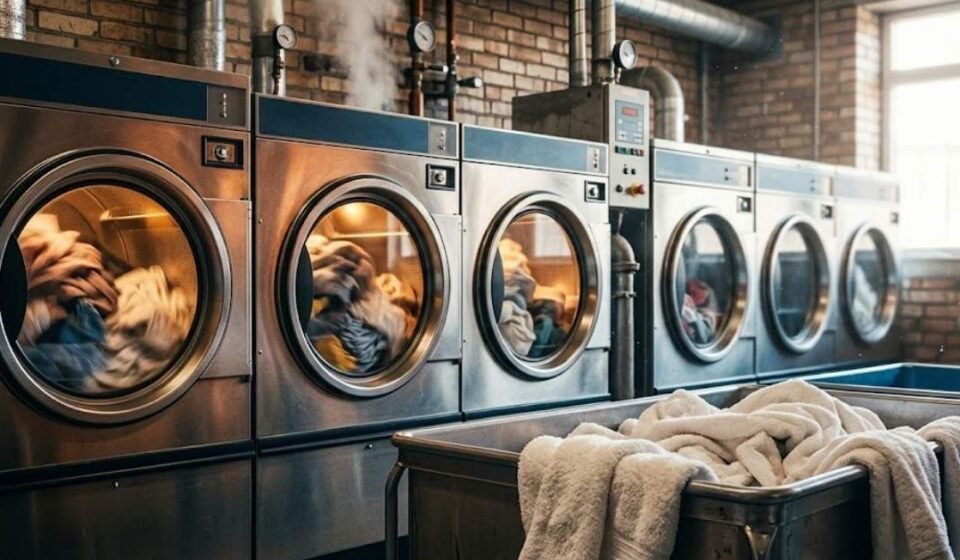

The words drier and dryer look almost identical, but they serve different purposes. One describes something becoming less wet. The other usually refers to a machine that removes moisture. However, English spelling can get confusing when British and American usage overlap.
This guide explains the difference between drier and dryer with simple rules, everyday examples, and practical grammar tips. You’ll learn which spelling works for weather, washing machines, hair dryers, and common comparisons. We’ll also cover UK and US preferences, pronunciation, and mistakes worth avoiding.
Whether you’re writing a school assignment, shopping for an appliance, or checking a sentence, the distinction is easy to remember once you understand the rule.
Quick Answer
Drier is the comparative form of dry. It describes something that has less moisture than something else. Dryer usually refers to a machine that removes moisture, such as a clothes dryer or hair dryer. Both words are correct, but their meanings differ.
For example:
- “The weather is getting drier.” This describes a change in weather.
- “I bought a new dryer.” This refers to an appliance.
- “My hair feels drier today.” This describes the condition of your hair.
- “The dryer stopped working.” This identifies a machine.
In American English, dryer is the standard spelling for the appliance. British English commonly uses tumble dryer for a clothes-drying machine.
Remember this simple distinction: drier describes dryness, while dryer usually names a machine.
Easy Rule to Remember
Here’s a quick trick that makes the spelling difference easier to remember. Think about what the word describes before choosing your spelling.
- Drier = less wet.
- Dryer = a machine that dries something.
For example, imagine you’ve washed your clothes and hung them outside. The clothes become drier as the sun removes moisture. If you put them inside an electric appliance, you use a dryer.
Consider these sentences:
- “Today’s air feels drier than yesterday’s.”
- “The dryer is running in the laundry room.”
- “My skin gets drier during winter.”
- “This dryer has several heat settings.”
Conversation example:
Person A: “Why do these towels feel different?”
Person B: “They’re drier because I used the dryer.”
Both spellings appear in one sentence, but each serves a different purpose. Once you understand the meaning, choosing the correct word becomes much easier.
The Origin of Drier or Dryer
The difference between drier and dryer comes from the way English forms comparative adjectives and creates words for tools or machines. The word dry has Old English roots and has described a lack of moisture for centuries.
English commonly adds -er to adjectives when comparing two things. For example, cold becomes colder, and bright becomes brighter. Following this pattern, dry becomes drier when describing something with less moisture.
The spelling dryer also developed as a noun for something that dries materials. Modern appliances made this meaning especially familiar.
Examples include:
- Drier air during a hot summer.
- A dryer used for laundry.
- Drier soil after several sunny days.
Although the spellings look similar, their grammatical roles explain why both remain useful in modern English.
British English vs American English Spelling
British and American English share most spelling rules, but certain words differ depending on regional preferences. Drier and dryer follow the same basic distinction in both varieties.
In the United States, dryer commonly means an appliance that dries clothes or hair. Americans also use drier as the comparative form of dry.
British English follows that distinction too. However, British speakers often call a clothes-drying appliance a tumble dryer. Americans usually say clothes dryer or simply dryer.
Examples:
- US: “I need to buy a new clothes dryer.”
- UK: “We need a new tumble dryer.”
- US and UK: “The weather is becoming drier.”
Conversation example:
Person A: “Is dryer American English?”
Person B: “It’s common in American English, but British English uses it too.”
The key difference isn’t that one country always uses drier and the other uses dryer. Meaning determines the spelling.
Which Spelling Should You Use?
Choosing between drier and dryer becomes simple when you identify the word’s job in your sentence. Are you describing something with less moisture, or naming an appliance?
Use drier when comparing dryness. Use dryer when referring to a machine or device designed to remove moisture.
Here are some practical examples:
- “The desert climate is drier than the coastal climate.”
- “Please empty the dryer after the cycle finishes.”
- “My hands feel drier after washing dishes.”
- “This hair dryer has three heat settings.”
If you’re writing for a US audience, follow standard American English conventions. For a British audience, use familiar local terms such as tumble dryer when discussing laundry appliances.
Quick editing tip: Replace the word with “less wet” or “drying machine.” If “less wet” fits, choose drier. If “drying machine” fits, choose dryer.
Common Mistakes with Drier or Dryer
Many spelling mistakes happen because people pronounce drier and dryer almost identically. Spell-checking tools may also miss the error because both words are valid English words.
The most common mistake involves using dryer as a comparative adjective. Another involves writing drier when referring to a household appliance.
Watch out for these examples:
- Incorrect: “The air is dryer today.”
- Correct: “The air is drier today.”
- Incorrect: “My clothes are in the drier.”
- Correct: “My clothes are in the dryer.”
The first incorrect sentence uses the noun spelling instead of the comparative form. The second uses the adjective spelling instead of the appliance name.
Conversation example:
Person A: “Should I write drier weather?”
Person B: “Yes. You’re comparing how dry the weather feels.”
Remember that autocorrect won’t always catch these mistakes. Check the intended meaning before submitting your writing.
Drier Than or Dryer Than
When comparing two things, drier than is usually the correct phrase. The word drier tells readers that one thing contains less moisture than another.
Use this structure when comparing weather, soil, skin, hair, paint, or other things that can become dry.
Examples:
- “This region is drier than the mountains.”
- “My hair feels drier than usual.”
- “The ground is drier than it was yesterday.”
- “April was drier than March.”
The phrase dryer than can also be grammatically correct when dryer functions as a comparative form of the adjective dry. However, drier is the more traditional and widely preferred spelling for this meaning.
For example, “The climate is dryer than before” may appear in some writing, but “The climate is drier than before” is the safer choice for standard edited English.
Grammar Rule
The adjective dry changes to drier when comparing the degree of dryness. This follows a common English spelling pattern for adjectives ending in a consonant followed by y.
When you add -er, change the final y to i.
Examples:
- Dry → drier
- Happy → happier
- Easy → easier
- Busy → busier
Use than when comparing two things.
For example, “The air here is drier than the air near the lake.”
However, don’t apply this comparative rule to the noun dryer. In that case, the word identifies a machine rather than describing a comparison.
Conversation example:
Person A: “Why is drier spelled with an i?”
Person B: “Because dry changes its final y to i before the comparative ending.”
This spelling rule makes comparisons easier to write correctly.
Dryer or Drier Weather
When discussing weather, drier is generally the correct choice. It describes conditions with less moisture in the air, less rainfall, or less dampness than before.
For example, a region might experience drier weather during summer. A garden might also become drier after several days without rain.
Consider these sentences:
- “The forecast predicts drier weather next week.”
- “Spring is usually drier here than autumn.”
- “The soil becomes drier during hot spells.”
- “We need rain because the weather has grown drier.”
In these examples, drier compares weather conditions rather than naming a machine.
Conversation example:
Person A: “Will next month be dryer or drier?”
Person B: “Write drier because you’re describing the weather.”
You might encounter dryer weather in informal writing, but drier weather remains the clearer standard choice for edited English. It communicates the intended comparison naturally.
Drier or Dryer Washing Machine
When referring to a washing machine’s companion appliance, use dryer. A dryer removes moisture from washed clothes, helping them become ready to wear or store.
In American English, people commonly say clothes dryer or simply dryer. In British English, tumble dryer is a familiar term for the same type of appliance.
Examples:
- “The dryer stopped halfway through the cycle.”
- “Our new dryer uses less energy.”
- “Please move the laundry from the washer to the dryer.”
- “This tumble dryer has a larger drum.”
Conversation example:
Person A: “Should I write washing machine drier?”
Person B: “Use dryer when you mean the appliance that dries clothes.”
Strictly speaking, a washing machine washes clothes, while a dryer removes moisture afterward. Some combination appliances perform both functions.
When shopping online, search for clothes dryer, tumble dryer, or washer-dryer combo according to the product you need.
Hair Dryer or Drier
Hair dryer is the standard spelling when referring to the electrical device used to dry hair. The appliance blows warm or cool air to help remove moisture after washing.
The word dryer identifies the tool. By contrast, drier describes hair that contains less moisture than before.
Examples:
- “I bought a new hair dryer.”
- “My hair feels drier after using too much heat.”
- “This dryer has a cool-air setting.”
- “Your hair looks drier than it did earlier.”
Conversation example:
Person A: “Is it a hair drier or hair dryer?”
Person B: “Write hair dryer because you’re naming the appliance.”
You can remember the distinction by picturing the device in your bathroom. Its purpose is to dry your hair, so the noun dryer fits.
If you’re describing the condition of your hair, choose drier instead. This small spelling difference keeps your sentence accurate and easy to understand.
Tumble Dryer or Drier
In British English, tumble dryer is the common term for an appliance that dries laundry by rotating clothes inside a drum. The machine circulates heated air or uses another drying method to remove moisture.
The word tumble describes the movement of clothes inside the drum. The word dryer names the appliance itself.
Examples:
- “We bought a new tumble dryer.”
- “The tumble dryer needs cleaning.”
- “My clothes are drier after the cycle.”
- “This dryer has a sensor that detects moisture.”
Conversation example:
Person A: “Do British people say drier for a laundry machine?”
Person B: “They commonly say tumble dryer, though dryer is also understood.”
The word drier remains appropriate when comparing how dry clothes feel. For instance, “These towels are drier than the others.”
When writing for UK readers, tumble dryer is often the clearest appliance term. For American readers, clothes dryer may sound more familiar.
Drier or Dryer UK Usage
In the UK, both drier and dryer are correct spellings. The difference depends on meaning, not simply on whether the writer uses British English.
British writers generally use drier as the comparative form of dry. They use dryer for machines that remove moisture. The phrase tumble dryer is especially common when discussing laundry appliances.
Examples:
- “The weather is getting drier.”
- “We need to replace our tumble dryer.”
- “My skin feels drier in winter.”
- “The dryer has finished its cycle.”
Conversation example:
Person A: “Is dryer wrong in British English?”
Person B: “No. It’s correct when referring to a drying machine.”
British spelling differences often involve words such as colour and color. However, drier and dryer aren’t a simple UK-versus-US spelling pair.
For UK writing, focus on meaning and use familiar appliance terminology. That approach keeps your content natural for British readers.
Dryer Machine Meaning
A dryer machine is a device that removes moisture from clothes, hair, or other materials. Although people sometimes use the phrase dryer machine, the shorter word dryer is usually more natural in everyday English.
Different dryers serve different purposes. A clothes dryer handles laundry, while a hair dryer blows air to help dry hair. Industrial dryers can remove moisture from food, paper, wood, and other materials.
Common examples include:
- Clothes dryer: dries washed garments.
- Hair dryer: dries hair with moving air.
- Industrial dryer: removes moisture during manufacturing.
- Food dryer: reduces moisture in selected foods.
Conversation example:
Person A: “What does a dryer machine do?”
Person B: “It removes moisture from materials, depending on the machine’s design.”
When writing product descriptions, use the specific appliance name whenever possible. For example, electric clothes dryer is clearer than dryer machine when discussing laundry equipment.
Drier or Dryer Price
The price of a dryer depends on its type, capacity, features, energy use, and brand. A hair dryer usually costs much less than a full-size clothes dryer. Commercial and industrial models can cost considerably more.
The spelling distinction also helps when searching for products online. Use hair dryer price or clothes dryer price to find the appliance you want. Searching for drier price may return less relevant results because drier usually describes something with less moisture.
Before comparing prices, consider:
- Appliance type and capacity.
- Energy efficiency and operating costs.
- Available drying settings.
- Warranty and repair options.
- Local availability and delivery charges.
Conversation example:
Person A: “Why can’t I find the right drier price?”
Person B: “Try searching for clothes dryer price instead.”
Prices change by location and retailer. Check current listings before making a purchase, and compare the total cost rather than the advertised price alone.
Drier or Dryer Pronunciation
Drier and dryer usually sound alike in standard American English. Both commonly have two syllables, with the first syllable carrying the main stress.
Their similar pronunciation explains why people sometimes confuse them in writing. When speaking, listeners usually rely on context to understand whether someone means a comparison or an appliance.
Try these examples aloud:
- “The air is drier today.”
- “The dryer is in the laundry room.”
- “My hair feels drier after swimming.”
- “The hair dryer is on the counter.”
Conversation example:
Person A: “Can you tell the difference when people say them?”
Person B: “Usually, context makes the intended meaning clear.”
The spelling difference matters more in written English than in ordinary conversation. If you’re writing an email, school assignment, or product listing, choose the spelling that matches the word’s role.
Reading both words in complete sentences is a helpful way to remember their different meanings.
Comparison Table
A comparison table makes the difference between drier and dryer easy to review. Both words relate to dryness, but they don’t usually perform the same grammatical job.
| Feature | Drier | Dryer |
| Main use | Comparative adjective | Usually a noun |
| Meaning | Less wet | A machine that removes moisture |
| Weather example | Drier weather | Not the usual choice |
| Laundry example | Clothes are drier | Clothes are in the dryer |
| Hair example | Hair feels drier | Use a hair dryer |
| UK usage | Standard | Standard |
| US usage | Standard | Standard |
For example, “The towels are drier now” describes their condition. “The towels are in the dryer” identifies where they’re being dried.
Quick reminder: If you’re comparing dryness, choose drier. If you’re naming an appliance, choose dryer.
This rule covers most everyday uses and helps prevent common spelling errors.
FAQs
Is drier or dryer correct?
Both spellings are correct. Drier usually describes something with less moisture, while dryer commonly names a machine that removes moisture.
Is it drier or dryer in the UK?
Both words are used in British English. British speakers commonly say tumble dryer for a laundry appliance and drier when comparing dryness.
Is it drier or dryer in American English?
American English uses drier as a comparative adjective and dryer for an appliance. For example, “The air is drier” and “The dryer is broken.”
Is it drier than or dryer than?
Drier than is the preferred spelling in standard edited English when comparing dryness. You might encounter dryer than, but drier than is the safer choice.
Why is it called a hair dryer?
It’s called a hair dryer because the device helps dry wet hair. Here, dryer names the tool rather than describing the hair’s condition.
What does tumble dryer mean?
A tumble dryer is a machine that dries laundry by rotating clothes inside a drum. The term is especially common in British English.
Does drier mean more dry?
Yes. Drier means less wet or having less moisture than something else. For example, “This towel is drier than that one.”
What is the difference between dry and dryer?
Dry describes a condition or action. Dryer usually names a machine, although it can also serve as a comparative adjective in some usage.
What does “tralalero tralala meaning” have to do with drier or dryer?
The phrase “tralalero tralala meaning” is unrelated to this spelling question. It doesn’t change the grammatical distinction between drier and dryer.
Conclusion
The difference between drier and dryer comes down to meaning. Use drier when describing something that has less moisture than before or compared with something else. Use dryer when naming a machine, such as a clothes dryer or hair dryer.
Both spellings work in British and American English. The main regional difference is appliance terminology. British speakers often say tumble dryer, while Americans commonly say clothes dryer.
Remember these simple examples:
- “The weather is getting drier.”
- “The clothes are in the dryer.”
- “My hair feels drier today.”
- “I need a new hair dryer.”
Once you understand the difference, choosing the right word becomes straightforward. Check what your sentence means, follow the spelling rule, and you’ll avoid this common English mistake.