
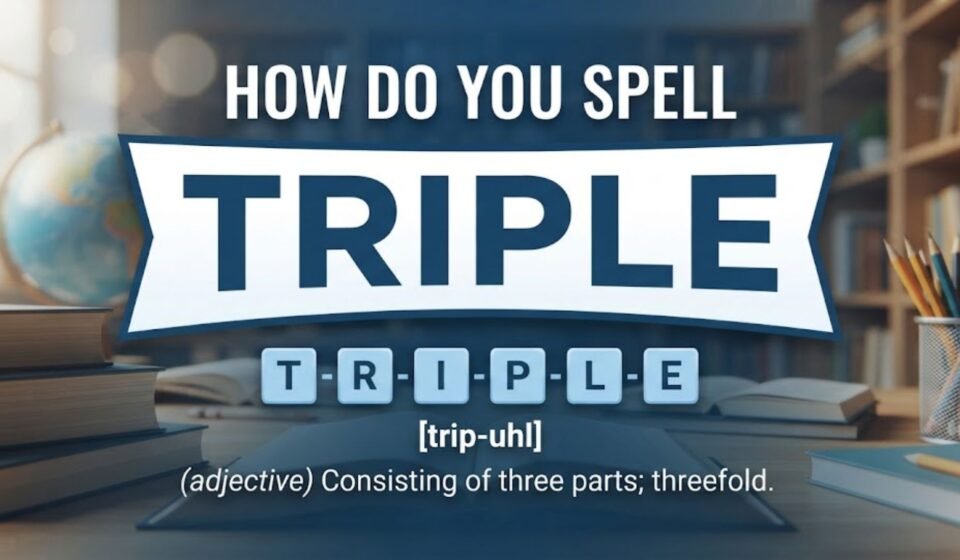

You typed it fast, then stopped and stared at the screen. Is it triple or tripple? Here’s the short answer before we go any further: triple is the only correct spelling. Tripple is a spelling mistake, plain and simple, even though it shows up in texts and social posts all the time.Now let’s break down why so many people get this wrong, where the confusion started, and how you can lock in the correct word for good.
Triple
Triple is the standard English spelling. You’ll find it in every dictionary, every style guide, and every serious piece of professional writing. It works as a noun, a verb, and an adjective, which is part of why it shows up so often in daily conversation.
Tripple
Tripple isn’t a real word. It’s a non-standard spelling that pops up because of typing errors and fast typing. Some folks assume doubling the P makes it look more “complete,” similar to how apple or little carry double letters. But that logic doesn’t hold here.
Triple or Tripple: Quick Answer
If you only remember one thing from this article, remember this: triple wins, every single time. There’s no regional exception, no British versus American twist, no special case where tripple becomes acceptable. It’s simply an incorrect form.
People still search for “is it tripple or triple” because the extra P looks familiar. Think of words like “hopping” or “shipping,” where double consonants are normal. Your brain borrows that pattern and misapplies it to triple, and that’s where the spelling confusion creeps in.
The Origin of Triple or Tripple
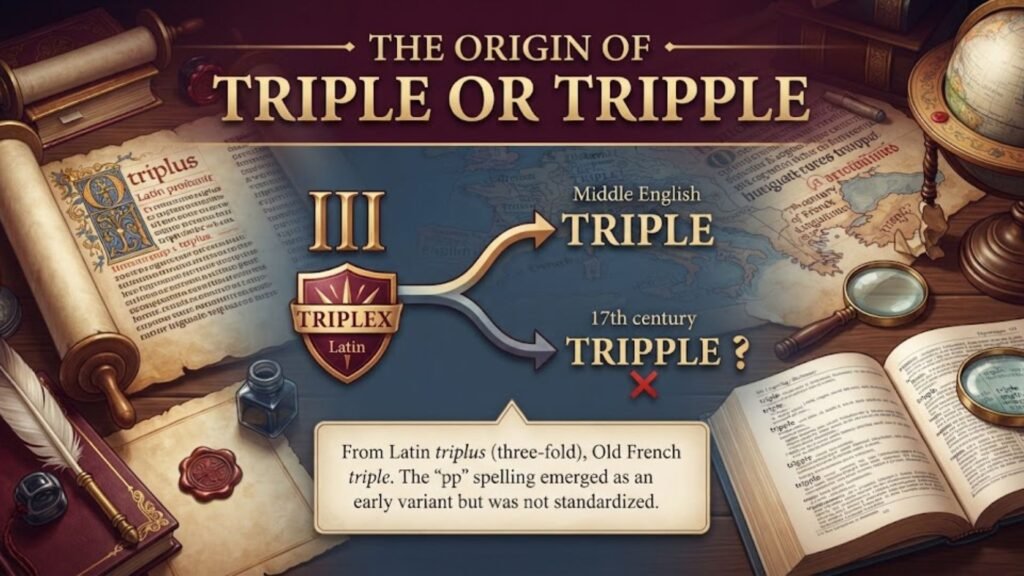
Every word has a backstory, and triple has a pretty tidy one. It traces back to the Latin word triplus, meaning “threefold” or made of three parts. Latin handed the word to French, and French language speakers refined it before English speakers adopted it centuries ago.
That word origin explains the single P. The root word never had a doubled consonant, so English kept the spelling intact when it borrowed the term. Tripple, by contrast, has no etymology at all. It’s not an older form, not a regional variant, and not a forgotten spelling from some earlier century. It’s simply a modern spelling error.
Knowing the linguistic origin helps you remember the rule without memorizing a dry fact. Just picture the tri root, the same one you see in tripod or triangle. None of those words double their consonants either, and neither does triple.
British English vs American English Spelling
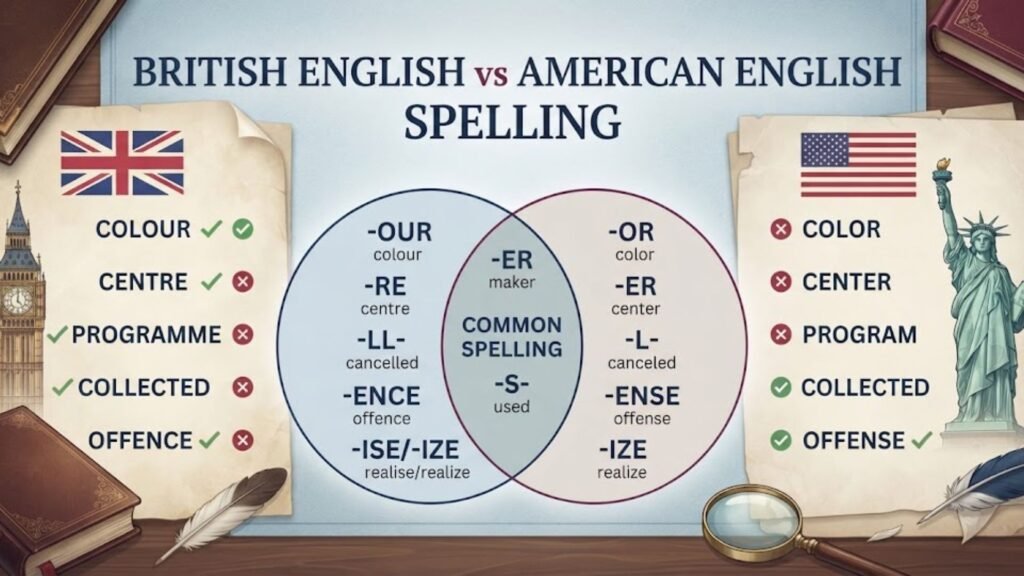
Here’s some good news if you’re juggling British English and American English in your writing. Both regions spell it the exact same way.
Words like “colour” and “color,” or “organise” and “organize,” split along regional lines all the time. Triple doesn’t. Whether you’re writing for a UK English audience or a US English one, the spelling stays locked as triple. This universal spelling rule makes it one of the easier words to get right once you know it.
Pronunciation shifts a little depending on accent, but even that difference is subtle. The word still centers on that same three syllable rhythm no matter where you’re speaking from.
Comparison Table
| Region | Correct Spelling | Pronunciation Style |
| British English | Triple | Slightly clipped vowel |
| American English | Triple | Slightly rounded vowel |
| Global/Universal | Triple | Same core spelling everywhere |
Which Spelling Should You Use?
Use triple. Always. In emails, essays, captions, headlines, and anything else you’re putting your name on.
If you’re aiming for accurate writing and clear communication, sticking with the accepted spelling protects your credibility. A single typo like tripple can make a reader pause, and that pause chips away at trust, especially in business writing where precision matters.
A simple memory trick helps here: think “tri means three,” and pair that with a single P, the same way “tricycle” and “triangle” only need one. That mental shortcut clears up the spelling uncertainty almost instantly.
How to Spell Triple (Common User Queries)
People ask this question in a dozen different ways, and honestly, that’s a good thing. It shows curiosity, not carelessness.
Common searches include “how to spell triple,” “how do you spell triple,” “what is the spelling of triple,” and even “triple ki spelling” for readers searching in mixed language phrasing. Every version leads to the same correct spelling of triple: T-R-I-P-L-E, one P, six letters total.
Some readers also search “tripple meaning” or “tripple definition,” hoping there’s a hidden second meaning they’re missing. There isn’t. Tripple carries no separate definition. It’s just triple, misspelled.
Common Mistakes with Triple or Tripple
Most common spelling mistakes with this word come down to speed, not ignorance. You’re typing quickly, your fingers add an extra letter, and autocorrect doesn’t always catch it.
Here are the patterns worth watching for:
- Doubling the P out of habit from similar looking words
- Relying on autocorrect instead of proofreading
- Mixing up tripple with unrelated words like “thriple,” which also isn’t real
- Assuming casual writing excuses incorrect forms
Writers hesitate here more than you’d expect, mostly because English spelling rules feel inconsistent. And to be fair, they are inconsistent in plenty of places. This particular word, though, has one firm rule: single P, no exceptions.
Triple or Tripple in Everyday Examples
Context changes tone, but it never changes spelling. Here’s how triple shows up across different writing styles.
Emails
In professional communication, precision counts. Saying “please confirm the triple payment schedule” reads clean and credible. Typing “tripple payment” instead can make a message look rushed or careless, even if the content is otherwise solid.
News Writing
Journalists lean on triple constantly, whether reporting a historic triple jump at the Olympics or describing a company’s triple revenue growth. News writing demands accuracy, so this spelling never wavers in published articles.
Social Media
Social media is where tripple sneaks in most often. Fast typing, no editor, and casual tone all combine to let typos slide. Still, brands and creators who care about polish keep the correct spelling even in quick captions.
Formal Writing
Formal writing, whether it’s a report, an academic paper, or a book, treats triple as non-negotiable. There’s zero tolerance for informal mistakes in these spaces, so double check before you submit anything.
Triple or Tripple: Google Trends & Usage Data
Search interest for terms like “triple or tripple” and “is it triple or tripple” has stayed steady for years, according to Google Trends patterns. That tells you something important: this isn’t a fading confusion, it’s a recurring one.
Search queries around this word spike whenever people write quickly, like during live sports commentary or casual chats. User queries also show a strong pattern of question based searches, meaning readers want a fast, clear answer rather than a long grammar lecture. That’s exactly why a quick answer near the top of any guide like this one matters so much for search intent.
Comparison Table: Triple vs Tripple
| Feature | Triple | Tripple |
| Standard Spelling | Yes | No |
| Found in Dictionaries | Yes | No |
| Used in Formal Writing | Yes | Never |
| Common in Casual Typos | Occasionally seen correctly | Frequently misspelled here |
| Latin Origin | Yes, from triplus | None |
Triple vs Tripple (Meaning, Usage & Confusion)
Let’s clear up the meaning comparison once and for all. Triple describes something made of three units, or three times the original amount. You’ll hear it in mathematics (“triple that number”), in sports (“he hit a triple”), and even in food, like a triple chocolate cake or a triple scoop ice cream cone.
Tripple has no usage comparison to offer because it isn’t a word with its own identity. It’s simply triple, spelled wrong. Some readers assume there’s a subtle difference, maybe a stylistic choice or slang term, but that assumption doesn’t hold up. There is no correct vs incorrect debate here beyond the obvious one: one P is right, two is not.
As an adjective, triple modifies nouns directly, like a triple layer design or a triple win scenario. As a noun, it can stand alone, like scoring a triple in baseball. Recognizing these parts of speech helps you use the word confidently in different sentence structures.
Why This Confusion Keeps Happening
English is full of inconsistent spelling patterns, and that inconsistency trains your brain to expect letter doubling more often than English actually delivers it. Words like “traveled” versus “travelled” already split by region, so it’s not surprising that English learners and native speakers alike second guess themselves here.
Add in the speed of modern typing, and you’ve got a recipe for repeated typing errors. The fix isn’t complicated though. Once you connect triple to its tri root cousins, tricycle, triangle, trio, the pattern locks in fast.
Tips for Remembering the Correct Spelling
A few small habits go a long way toward locking in standard spelling for good.
- Say the word slowly and notice there’s only one P sound
- Picture related tri root words like triangle or trio
- Read your sentence out loud before hitting send
- Let spellcheck catch what your eyes might miss
- Practice writing the word in different contexts, like sports scores or recipe descriptions
These helpful tips aren’t just for language learners. Even experienced writers slip up when they’re moving fast, so a little repetition builds a habit that sticks.
FAQs
Is it triple or tripple? It’s triple. Tripple is always incorrect, no matter the context.
What is the meaning of triple? It means three times the amount, or something made of three parts.
Does British English spell it differently than American English? No. Both regions use the exact same spelling: triple.
Where does the word triple come from? It comes from the Latin word triplus, meaning threefold, later shaped by the French language before entering English.
Can triple be used as both a noun and an adjective? Yes. It works as a noun (“he hit a triple”) and as an adjective (“a triple scoop cone”).
Conclusion
Triple is the only spelling that belongs in your writing, whether you’re drafting a quick text or a formal report. Tripple might look familiar thanks to English’s messy relationship with double consonants, but it has no place in standard English.
Next time your fingers want to add that extra P, pause for half a second and picture triangle, tricycle, or trio. That tiny mental check keeps your professional writing sharp and your readers focused on your message, not your typos.