
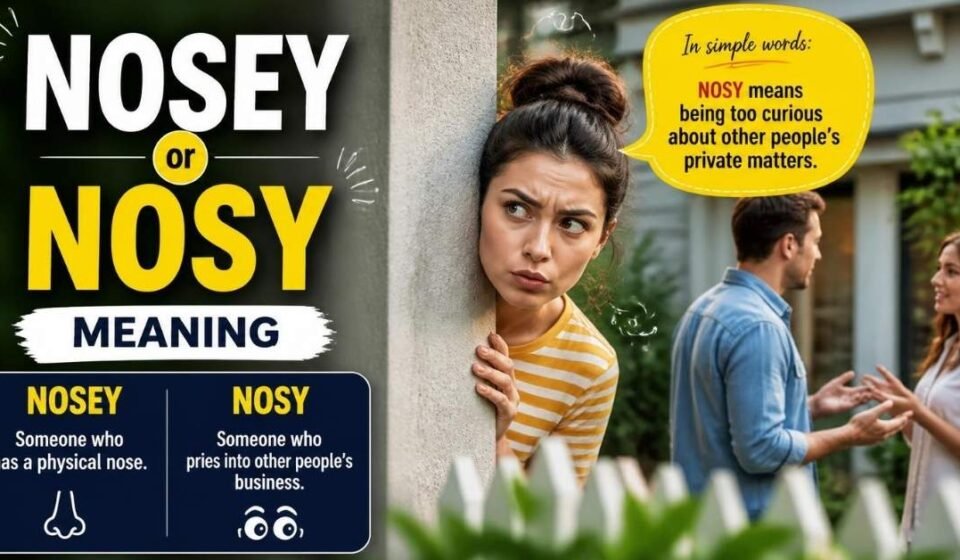

Both nosey and nosy are correct spellings of the same word, and they mean exactly the same thing: being overly curious about someone else’s personal matters.
The difference comes down to region and writing style, not right or wrong. So if you’ve been second guessing yourself, you can relax.
Nosey
This is the older, longer spelling. You’ll still spot it often in British English and casual, everyday writing.
Nosy
This is the shorter, more modern spelling. It’s the version most style guides and American English writers reach for today.
Nosey or Nosy: Quick Answer ✅⚡
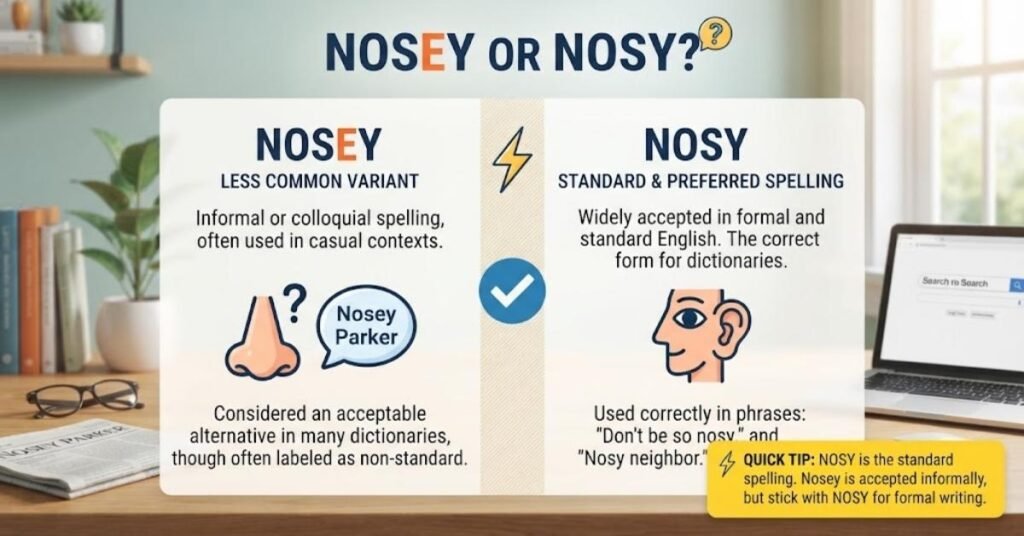
If you only have ten seconds, here’s the deal. Nosy and nosey share one meaning: someone who’s too curious about other people’s lives. Neither spelling is a typo, and both show up in dictionaries.
Pick nosy if you’re writing for a modern or American audience and want the cleaner look. Go with nosey if you’re following British English or you just prefer that traditional feel.
✔ Main Difference:
The real spelling difference between these two comes down to style, not meaning. Nosy drops the “e” before adding the -y suffix, while nosey keeps it, following an older pattern of word formation.
📌 Examples:
- My neighbor is so nosy about what time I get home every night.
- Stop being nosey and mind your own business for once.
Definitions with Examples 📖✍️
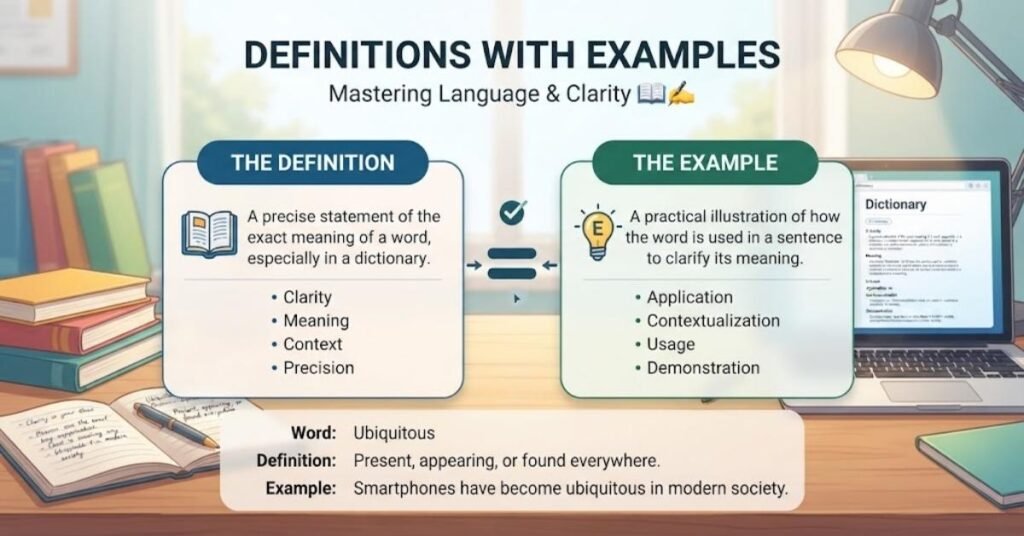
Let’s slow down and actually define both words, since a quick answer only gets you so far.
🟢 Nosy (Definition)
Nosy describes someone who asks too many personal questions or pokes around in private matters that aren’t theirs. It carries a slightly negative tone, more of a personality trait than a compliment.
Think about that coworker who always wants to know your salary or your relationship status. That’s textbook nosy behavior, and most people can picture it instantly.
📌 Examples:
- She gave me a nosy look when I stepped out to take a private call.
- He’s known around the office as the nosy guy who reads over shoulders.
🔵 Nosey (Definition)
Nosey means the exact same thing as nosy. It’s not a wrong version, just an older spelling that’s stuck around, especially in British English and informal writing.
You’ll spot nosey in older books, casual text messages, and plenty of UK publications, where the longer form never fully went out of style.
📌 Examples:
- Don’t be so nosey about what’s in my mail.
- The nosey aunt always grills us about money at family dinners.
The Origin of the Word 📜⏳
Both words trace back to nose, the body part, plus the -y suffix used to turn nouns into adjectives. Literally, being nosy or nosey means having a lot of nose, which historically implied poking it somewhere it didn’t belong.
The old phrase to stick your nose into business comes from that same idea. Someone always sniffing around other people’s private matters earned the label, and the spelling simply evolved differently depending on where English took hold.
Over time, English tends to trim extra letters for efficiency, which likely explains why nosy became the more common modern spelling, while nosey stayed alive as the traditional spelling in certain corners of the language.
British English vs American English Usage 🌍🇬🇧🇺🇸
This is where things actually diverge a little. In American English, nosy is the clear standard, and most dictionaries and editors flag nosey as the less common alternative spelling worth avoiding in formal pieces.
In British English, both spellings get used interchangeably, though nosy still edges out slightly, even in UK newspapers and formal writing. Other pockets of global English, including Pakistan English and various English regions across Asia and Africa, tend to lean toward whichever spelling they were taught first in school.
📌 Key Point:
Neither spelling is grammatically wrong anywhere in the world. The choice mostly comes down to your audience and where they’re most likely reading from.
📊 Usage Table:
| Region | Preferred Spelling | Notes |
| USA English | Nosy | Standard across most American style guides |
| UK English | Nosy or Nosey | Both accepted, nosy is slightly more common |
| Global English | Varies | Depends heavily on regional schooling |
Which Spelling Should You Use? 🎯📝
For most writing today, nosy is your safest bet. It’s the preferred spelling in major style guides, it looks cleaner on the page, and readers everywhere recognize it instantly without pausing.
That said, if you’re writing for a British audience, or you’re going for a slightly old fashioned tone in a story or personal essay, nosey works perfectly fine too. Just pick one and stay consistent through the whole piece.
✔ Use “Nosy” When:
- You’re writing for an American or international audience
- You want the shorter, more modern look on the page
- You’re following a major style guide or brand voice
🧠 Memory Trick (Easy)
Think “nosy equals no extra letters.” Nosy is short and direct, kind of like the trait it describes when someone jumps straight to digging for information.
📌 Usage Tip (Very Important) 🧠✨
Whichever spelling you choose, don’t switch back and forth in the same piece. Consistency in writing matters more than which version you pick, especially in blogs, school assignments, or professional emails.
Mixing spellings can look like a careless typo even though both forms are technically correct. Decide early, and carry that choice from your headline all the way to your closing line.
📌 Examples:
- Consistent: “My nosy coworker asked again. That nosy habit never stops.”
- Inconsistent: “My nosy coworker asked again. That nosey habit never stops.”
Common Mistakes nosey or nosy
Even though both spellings are correct, writers still trip up in a few predictable ways worth knowing about.
1. Thinking One Is Wrong
Plenty of people assume nosey is a typo, or that nosy is the only real option. Neither assumption holds up, both are valid, just different in popularity.
2. Mixing Spellings
As mentioned above, switching spellings mid piece is the most common slip. It reads as careless even when the meaning stays perfectly clear to the reader.
3. Using in Formal Writing
Some writers drop nosy or nosey into overly formal writing, like legal documents or academic essays, where a neutral word choice such as intrusive or prying often reads better.
4. Confusing with “Curious”
Curiosity and being nosy aren’t quite the same thing. Curiosity can be a positive trait, but nosy almost always signals negative curiosity, digging into private matters that aren’t yours to know.
Nosey or Nosy in Everyday Examples 💬📱
Seeing these words in real situations makes the meaning click faster than any dictionary definition ever could.
🏠 Daily Life
Your neighbor peeking over the fence every time a delivery truck pulls up? That’s a classic nosy neighbor moment most people can picture right away.
📱 Social Media
Comment sections are packed with nosy questions, like strangers demanding to know someone’s relationship status or income under a random photo.
📚 School
Teachers sometimes warn students against being nosey about a classmate’s grades or family life, especially during group projects and shared assignments.
💼 Work
A coworker who’s always asking about your paycheck or your weekend plans in an intrusive way is one of the most common workplace communication complaints out there.
Usage Trends & Popularity 📊📈
Language naturally drifts over time, and nosy has become the more visible spelling across blogs, news sites, and everyday digital communication. Nosey hasn’t vanished though, it still shows up regularly in casual writing, older books, and certain regional publications.
📌 Trend Summary:
If you scan recent articles and social posts, nosy tends to appear more often overall, while nosey stays common enough that it never reads as outdated or incorrect to most readers.
Comparison Table 📋⚖️
| Feature | Nosy | Nosey |
| Spelling length | Shorter | Longer |
| Common region | American English, global | British English, informal writing |
| Formality | Slightly more standard | Slightly more casual or traditional |
| Meaning | Same | Same |
| Pronunciation | Same | Same |
Other Commonly Confused English Word Pairs 🔤🧩
Nosy and nosey aren’t the only pair that trips people up. Combinations like Goodmorning vs Good Morning, Crain vs Crane, and Family’s vs Families cause the exact same kind of second guessing.
The pattern usually repeats across all of these: two forms exist, one is more standard today, and picking the right one just takes a little familiarity. Once you understand the logic behind nosy versus nosey, spotting the same pattern in other confusing words gets a lot easier.
Why Getting This Word Right Actually Matters ✍️📌
It might seem like a tiny detail, but small spelling choices shape how readers judge your writing overall. Using nosy or nosey correctly, and sticking with one version throughout, quietly signals attention to detail.
For bloggers, students, and professionals alike, small consistency wins like this build trust with readers over time, the same way clean grammar and proper punctuation do in any piece of writing.
Common User Queries 🔍🔥
People searching this topic usually want quick, clear answers, not a full grammar lecture. Common questions include what does nosy mean, is nosey a real word, and why are there two spellings for the exact same trait.
Most of these questions boil down to one thing: reassurance that neither spelling is a mistake, plus a simple rule for choosing between them going forward without overthinking it.
Conclusion 🧾📌
At the end of the day, nosy and nosey are two spellings of the same word, both correct, both describing someone who pries into other people’s private matters. Pick nosy for a modern, standard look, or nosey if you prefer the traditional British feel.
Whichever one you choose, the only real rule is staying consistent throughout your writing. Get that part right, and you’ll never have to second guess this word pair again.
FAQs ❓💡
1. Are both spellings correct?
Yes, nosy and nosey are both correct and mean exactly the same thing. Neither one counts as a spelling error.
2. Which one is more common?
Nosy is more common today, especially in American English and most modern style guides worldwide.
3. Do they mean different things?
No, both words describe the same behavior: being overly curious about someone else’s private matters.
4. Should I mix both forms?
No, pick one spelling and keep it consistent throughout your writing for a cleaner, more professional feel.
5. Which is better for modern writing?
Nosy is generally the stronger pick for modern writing, especially anything aimed at American readers.
6. Is nosey wrong?
Not at all. Nosey is simply the older, more traditional spelling, still common and accepted in British English.
7. Easy way to remember?
Remember “nosy, no extra letters.” It’s the shorter version, and the one most style guides prefer today.